
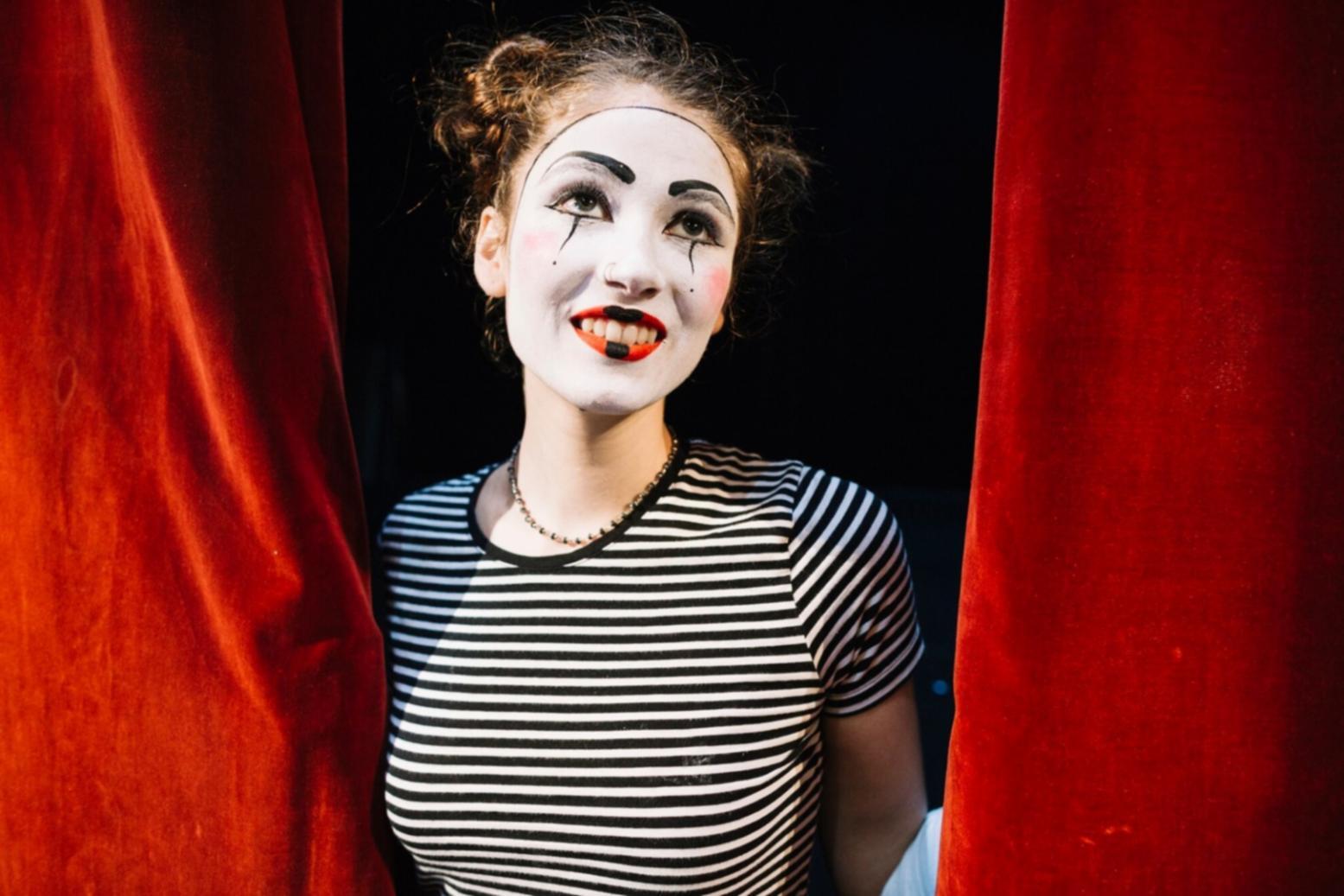
Becoming Someone Else on Stage
Method acting teaches you to draw from lived emotion and memory, building characters that feel genuine rather than performed.
Learn about our approachWhere You Practice This Work
Small Workshop Groups
Sessions limited to eight participants so everyone receives direct feedback on their physical and vocal choices during scene work. You observe others closely and learn from their discoveries as much as your own.
Shared Rehearsal Space
A converted studio with natural light, mirrors along one wall, and room to move freely. The space stays available between sessions for independent practice and peer rehearsals outside structured class time.
Professional Context
Many participants are working actors preparing for auditions or roles, so the atmosphere reflects real industry demands. Exercises focus on practical application rather than abstract theory, preparing you for casting rooms and production schedules.
What Changed for People Who Studied Here
I used to rely on external gestures and vocal tricks to show emotion. After four months here, I started accessing real memories during scenes, and directors noticed the difference immediately. My callback rate doubled within six months.
Before this training, I struggled with emotional consistency across multiple takes. Learning sense memory techniques gave me a repeatable process for reaching the same emotional place on demand, which made me far more reliable on set.
I came here to deepen my understanding of actor psychology so I could guide performers more effectively. The exercises around substitution and personalization changed how I communicate with my casts during rehearsals.
Even without physical presence, the vocal techniques from method training helped me find authentic emotional color in animation and dubbing work. My agent says I book more character roles now because my reads feel less performed.
How This Differs from Standard Acting Classes
Instead of imagining emotions, you learn to access specific personal memories that produce genuine physiological responses. This creates performances grounded in real experience rather than theatrical convention.
Traditional classes often start with vocal exercises and blocking. Here, the body leads. You explore how emotion manifests physically before adding text, so speech emerges from authentic internal states.
Most programs move quickly through scenes to cover material. We spend weeks on single moments, repeating exercises until responses become instinctive. This slower pace builds muscle memory that holds under performance pressure.
You spend as much time watching others work as performing yourself. Analyzing how peers apply techniques sharpens your ability to self-direct and adjust in real time during auditions or takes.
Exercise Structure
2. Allow physical response
3. Observe without judgment
4. Repeat until automatic
5. Apply to scripted material
Result in Performance
Who Teaches These Techniques

Olena Shevchuk
Lead Instructor, Sense Memory
Trained at the Lee Strasberg Institute in New York before returning to Ukraine in 2015. Has directed over thirty stage productions and coaches actors privately for film and television roles across Eastern Europe.
Ihor Bondarenko
Movement and Physical Expression
Former principal dancer with Kyiv Ballet who shifted focus to actor training. Specializes in teaching how physical tension and release patterns create authentic emotional expression without relying on facial performance.

Svitlana Kravets
Text Analysis and Substitution
Studied under Stella Adler protégés in Los Angeles before establishing her own practice. Focuses on breaking down scripts to identify emotional parallels between character circumstances and actor experiences.